Pelvic Flooring Dysfunction
Hypertonic Pelvic Flooring: Causes, Therapies, Exercises However, when these muscles come to be inefficient-- whether they're also limited, weak, or unskillful-- it can result in difficulty with defecation. This can lead to stressing, insufficient evacuation, and persistent irregular bowel movements. Gradually, neglected pelvic flooring disorder can result in symptoms like bloating, pain, and a feeling of fullness or heaviness in the abdominal area. You possibly don't consider your pelvic floor muscles, however they're working for you all day long. Image an adaptable hammock of muscular tissues at the base of your hips. This "hammock" supports your bladder and digestive tract and, in men, the prostate. It's likewise a key player in managing when you pee and have a bowel movement, and it's vital for sex-related function. Aesthetic feedback aids you feel what your muscle mass are carrying out https://incontinence-direct.com/ in mix with spoken cuing and teaching from physical therapists. The ultrasound imaging is done by positioning a stick on the abdominal area. This wand after that creates sound waves to create a picture that is transmitted to a display. If you struggle with constipation or locate on your own straining, it may be since those pelvic floor muscle mass aren't relaxing the method they need to. Pelvic floor discomfort men usually experience similar difficulties, producing an uncomfortable cycle where bowel irregularity makes the muscular tissue dysfunction also worse. Pelvic flooring dysfunction describes a wide range of conditions that happen when pelvic flooring muscular tissues are weak, limited or torn. If the muscle mass end up being weak or the tendons or tissues are extended or harmed, the pelvic body organs or small intestinal tract might fall and protrude into the vagina. If the disorder is severe, the organs might protrude via the opening of the vaginal canal and outside the body. Our team makes use of advanced analysis testing to pinpoint the cause of your condition to guide treatment alternatives. Numerous people gain from dealing with a physical therapist specifically trained in enhancing and collaborating the muscle mass of the pelvic floor. Various other therapies consist of drugs, minimally intrusive devices and surgery. For ladies, maternity and childbirth are two of one of the most significant life occasions that impact the pelvic floor. While pregnant, the growing uterus places stress on the pelvic organs, stretching and damaging the pelvic flooring muscle mass. Giving birth, specifically vaginal delivery, can cause straight trauma to the pelvic flooring muscular tissues and cells. The process of labor can bring about muscle mass splits, overstretching, or even nerve damages, every one of which can lead to pelvic flooring dysfunction. Postpartum, lots of ladies experience urinary incontinence, pelvic body organ prolapse, or bowel irregularity as a result of this trauma.
Consultations & Care
- If anything right here feels familiar, we motivate you to reach out to a pelvic health and wellness specialist and take the very first step towards far better health and wellness.
- Via targeted workouts, manual techniques, and education and learning, PFPT aids individuals regain control over their pelvic flooring muscles, relieving signs and symptoms of urinary incontinence and irregularity.
- The muscle mass in your pelvic floor are vital for maintaining the blood flow needed for an erection.
- The hypopressive method is a postural and core repair program made to collaborate the diaphragm, pelvic flooring, abdominals and back muscle groups.
- Higher risk patients ought to undergo evaluation very early to preserve great pelvic flooring health.
Treatment Choices
Can pelvic flooring muscles gain back toughness?
Maternity and giving birth can stretch, pressure, and damage these muscles and trigger a variety of problems for concerning 1 in 4 females. The bright side is that pelvic floor workouts can progressively develop your toughness and help you return to regular.
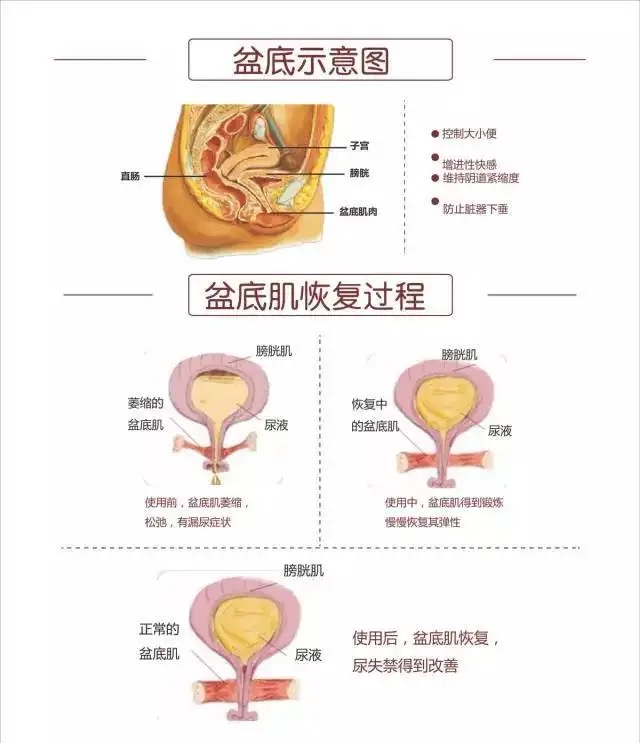
Just How Pfd Turns Up In Daily Life
The pelvic floor is a group of muscles and connective cells that develop a hammock-like framework at the base of the hips. These muscular tissues play a vital function in sustaining the organs in the pelvic area, consisting of the bladder, womb, and rectum. When the muscle mass are weak, it can cause a variety of awkward and in some cases embarrassing signs. In this blog, we'll review the signs that your pelvic floor might be weak and when it's time to seek help from an expert. Physical therapy sessions can include a range of stretches and breathing exercises, and manual treatment. Your physiotherapist may make use of electrical stimulation to lower pelvic discomfort. 